
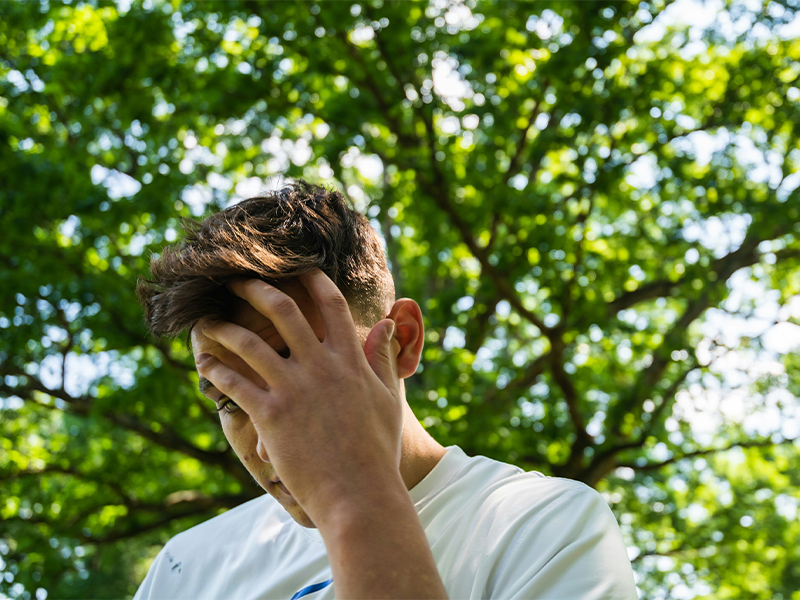
Hair loss rarely happens overnight. It usually begins quietly — a few more hairs in the shower, a widening part, a thinning crown that becomes harder to ignore. Over time, what starts as a small concern can turn into something deeply personal, affecting confidence, self-image, and daily routines.
For many people, the real frustration lies not just in losing hair, but in not understanding why it’s happening. Generic treatments and one-size-fits-all solutions often promise results without addressing the underlying cause. This is where trichology offers a different approach.
Rather than masking symptoms or focusing on quick fixes, trichology looks beneath the surface. It is the science of hair and scalp health, grounded in clinical assessment, evidence-based treatment, and long-term hair preservation. For those searching for clarity, answers, and realistic outcomes, trichology may be the missing piece.
What Is Trichology and How Does It Address Hair Loss?
Trichology is a specialised field dedicated to the study of the hair and scalp. A trichologist is trained to identify the causes of hair loss, thinning, scalp disorders, and structural hair problems through detailed consultation and analysis.
Unlike treatments that focus solely on regrowth, trichology begins with diagnosis. Factors such as genetics, hormonal changes, stress, nutritional deficiencies, inflammatory scalp conditions, and lifestyle influences are all assessed. Hair loss is rarely caused by a single issue, and trichology recognises that complexity.
By understanding what is disrupting the hair growth cycle, trichologists can recommend targeted, personalised strategies designed to stabilise hair loss, improve scalp health, and support stronger regrowth where possible.
How Trichology Works to Support Hair Regrowth
Hair growth depends on a healthy scalp environment and functioning follicles. When that environment is compromised — through inflammation, reduced blood flow, hormonal imbalance, or nutritional stress — hair becomes weaker, finer, and more prone to shedding.
Trichological treatment focuses on restoring balance. This may involve scalp therapies to reduce inflammation, improve circulation, and regulate oil or microbial activity. In other cases, recommendations may include nutritional support, lifestyle adjustments, or collaboration with medical professionals when underlying health issues are identified.
The goal is not to force hair growth unnaturally, but to create the right conditions for hair to grow as it is biologically intended to. When follicles are still viable, this approach can slow hair loss significantly and, in many cases, encourage visible improvement over time.
Why Trichology Is Gaining Recognition in Hair Loss Treatment
Interest in trichology has grown as people become more informed — and more cautious — about hair loss solutions. There is a growing awareness that sustainable results depend on understanding the root cause, not just the symptom.
One of trichology’s strengths is its holistic perspective. Hair health is not viewed in isolation but as part of overall wellbeing. Stress, diet, hormonal shifts, and scalp health are all interconnected, and trichology acknowledges that connection.
It also offers reassurance. Hair loss can feel unpredictable and overwhelming, particularly when changes happen gradually. Trichological assessment provides clarity, helping individuals understand what is happening, what can realistically be improved, and what outcomes to expect.
Organisations such as the International Trichology Society (ITS) play a key role in advancing professional standards, education, and ethical practice within the field, ensuring trichology remains evidence-led and patient-focused.
Can Trichology Reverse Hair Loss Completely?
The word “reverse” can be misleading. Trichology does not promise miracles, and responsible practitioners are clear about limitations. Not all hair loss can be fully reversed, particularly where follicles are no longer active.
However, many forms of hair loss can be stabilised, slowed, or partially improved when addressed early. Conditions such as telogen effluvium, stress-related shedding, inflammatory scalp disorders, and early-stage pattern thinning often respond well to trichological intervention.
By improving scalp health and correcting contributing factors, trichology can help preserve existing hair and optimise regrowth potential. For many people, this results in thicker, healthier-looking hair and a noticeable reduction in shedding.
Who Is Trichology Most Suitable For?
Trichology is suitable for both men and women experiencing a wide range of hair and scalp concerns. It is particularly valuable for those who feel uncertain about the cause of their hair loss or who have not seen results from over-the-counter treatments.
Early intervention is key. The sooner changes in hair density or scalp condition are assessed, the greater the chance of maintaining follicle health. Trichology can also complement other hair loss treatments, providing a foundation of scalp health that supports better outcomes overall.
Importantly, trichology empowers individuals with knowledge. Understanding what is happening — and why — often brings relief, even before physical improvements become visible.
A Science-Led Approach to Long-Term Hair Health
Hair loss does not have to be approached with guesswork or false promises. Trichology offers a structured, educational, and evidence-based pathway for those seeking answers and sustainable improvement.
By working with the body rather than against it, trichology focuses on long-term hair health rather than short-term fixes. It encourages realistic expectations, informed decision-making, and ongoing care tailored to individual needs.
For those looking to take control of their hair health with professional guidance, trichology may represent a more thoughtful and effective way forward.
If you’re seeking trusted information, professional standards, and expert insight into hair and scalp health, exploring resources provided by the International Trichology Society (ITS) is a valuable first step.
Frequently Asked Questions About Trichology and Hair Loss
Here are some commonly asked questions about trichology and hair loss:
Can trichology reverse hair loss naturally?
Trichology focuses on supporting natural hair growth by improving scalp health and addressing underlying causes. While it cannot revive inactive follicles, it can often reduce shedding and encourage healthier regrowth where follicles are still active.
How long does trichology take to show results for hair loss?
Hair growth is a gradual process, and most people begin to notice improvements within three to six months. Consistency and early intervention play a significant role in achieving visible results.
Is trichology suitable for male and female hair loss?
Yes, trichology is effective for both men and women. It is particularly useful because it considers hormonal, lifestyle, and health-related factors that differ between individuals.
Does trichology work for thinning hair?
Trichology is especially effective for thinning hair caused by stress, nutritional deficiencies, inflammation, or early pattern hair loss. Improving scalp conditions can help existing hair grow stronger and thicker over time.
What does the International Trichology Society do?
The International Trichology Society (ITS) supports education, research, and professional standards in trichology. It helps ensure that trichologists follow evidence-based practices and ethical treatment approaches.


