
Hair loss in men and women can be stressful and confusing, especially with so many options available online—from medications to transplants. What many people don’t realise is that trichology offers a structured, expert-led way to understand hair loss before deciding on any treatment.
The International Trichology Society (ITS) emphasises that hair restoration is not just about filling in bald spots. It is about diagnosing the cause, understanding scalp health, and recommending treatments that are personalised for each individual. A professional trichology assessment can mean the difference between a short-term fix and a long-term solution.
What Trichology Is and Why It Matters
Trichology is the scientific study of the hair and scalp. Specialists trained under organisations like the ITS are able to identify the underlying causes of hair loss, which can range from genetics and hormonal factors to stress, nutrition, and scalp conditions.
Understanding the root cause is critical because hair loss is rarely one-size-fits-all. Two people with similar thinning patterns may need very different treatments depending on follicle health, scalp condition, and overall lifestyle factors. Without a trichology-led assessment, treatments can be ineffective or even counterproductive.
Trichology Assessments: The Key to Personalised Treatment
A comprehensive trichology assessment typically includes:
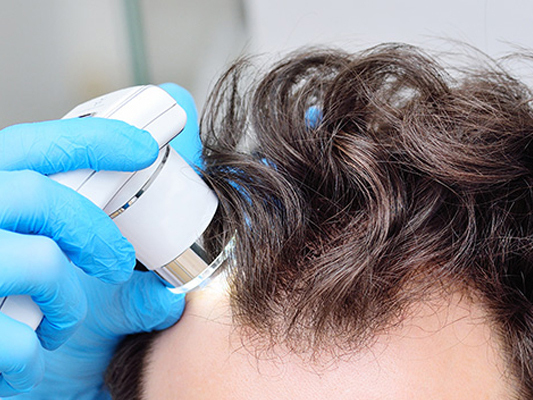
- Scalp examination:Using magnification tools to evaluate follicle density, inflammation, and scalp health.
- Hair analysis:Assessing hair shaft thickness, growth cycles, and breakage patterns.
- Medical history review:Factoring in nutrition, lifestyle, medications, and genetic predispositions.
- Diagnostic tests:Sometimes blood tests or imaging are recommended to identify underlying deficiencies or hormonal imbalances.
The outcome of these assessments is a personalised hair health profile, which allows the specialist to recommend the most effective treatment path. For some, this may mean non-surgical interventions; for others, surgical options are more appropriate.
How Trichology Influences Treatment Decisions
Once a trichology assessment has mapped out the patient’s scalp and hair condition, treatments are selected based on evidence and suitability.
Non-Surgical Options:
- Medications:Finasteride or Minoxidil may be prescribed if follicle activity can still be stimulated.
- PRP Therapy (Platelet-Rich Plasma):Targets dormant follicles identified in the trichology assessment.
- Mesotherapy or Topical Nutrients:Applied selectively based on scalp health and hair growth cycles.
Surgical Options:
- FUE Hair Transplants:Recommended only when follicle density and scalp condition indicate the likelihood of successful growth.
- Micro Scalp Pigmentation (MSP):Used as a complementary tool to enhance visual density when natural hair coverage is insufficient.
By framing treatments through a trichology lens, patients avoid unnecessary procedures and are guided toward options that maximize results and minimise risk.
The Benefits of a Trichology-Led Approach
Choosing a trichology-guided plan has several advantages:
- Evidence-Based Decisions:Every treatment recommendation is supported by an assessment, not marketing.
- Personalised Strategies:Age, hair type, stage of loss, and scalp health all influence the plan.
- Optimised Long-Term Results:Treatments are coordinated to preserve existing hair while promoting regrowth.
- Reduced Risk:Unnecessary or inappropriate procedures are avoided, protecting both scalp health and investment.
- Holistic Care:Lifestyle factors like nutrition, stress, and habits are integrated into the treatment plan.
The ITS highlights that integrating trichology into hair loss management ensures patients receive both immediate and sustainable outcomes.
Final Thoughts
Hair loss treatments are most effective when they are guided by a deep understanding of the hair and scalp. Trichology provides that understanding, acting as the cornerstone of personalised care.
Whether considering medications, non-surgical therapies, or surgical procedures, a professional trichology assessment ensures every decision is informed. It transforms hair restoration from a guessing game into a precise, evidence-led process.
By prioritising scalp health and follicle integrity first, patients gain confidence not just in their treatment, but in their long-term results.
For anyone struggling with hair thinning or hair loss, consulting a licensed trichologist can be the secret weapon to achieving thicker, healthier hair.
FAQ: Here are some commonly asked questions about trichology and hair loss treatments
What is a trichology assessment?
A trichology assessment evaluates your scalp, hair follicles, and overall hair health to identify the root causes of hair loss. It informs personalised treatment recommendations.
Can trichology determine whether I need surgery or non-surgical treatment?
Yes. By assessing follicle activity, scalp health, and hair density, a trichologist can recommend the most suitable treatment path, including medications, PRP, or hair transplants.
Is trichology only for people with severe hair loss?
No. Trichology benefits anyone concerned about hair thinning or scalp issues. Early assessment can prevent further loss and optimise treatment effectiveness.
How often should I have a trichology check-up?
Frequency depends on your hair condition and treatment plan, but many patients benefit from assessments every 6–12 months to monitor progress and adapt treatments.
Are trichology-led treatments more effective than self-guided approaches?
Yes. Treatments guided by trichology are tailored to your unique hair and scalp profile, which increases success rates and reduces risks compared to generic or unverified solutions.


