
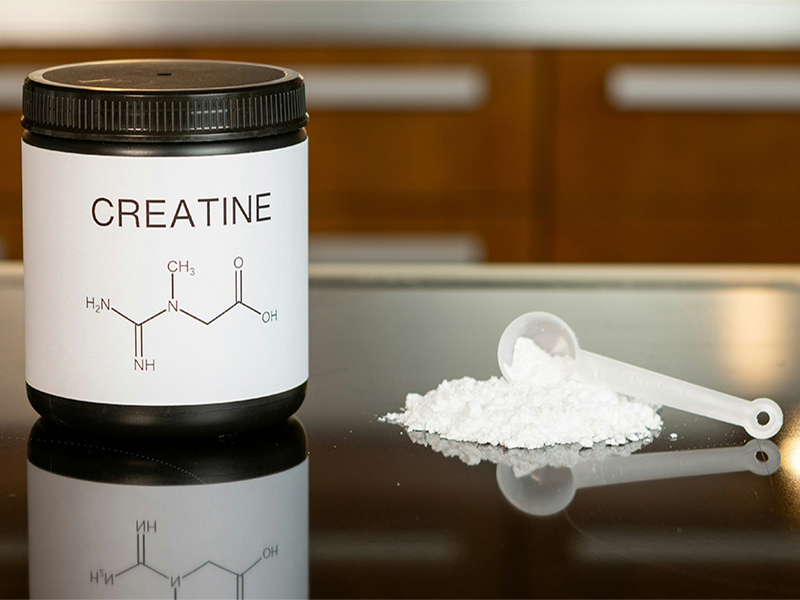
Does creatine cause hair loss? According to current scientific evidence, there is no established link between creatine supplementation and hair loss. Concerns about creatine and baldness largely originate from a small study published in 2009, which reported increased levels of dihydrotestosterone (DHT), a hormone associated with androgenetic alopecia. However, the study did not examine hair loss, and subsequent research has not established that creatine causes hair thinning or baldness.
From a trichological perspective, understanding this distinction is important. Hair loss is influenced by genetics, hormonal activity, follicular sensitivity and several other biological factors. Although creatine is widely used to support exercise performance, its relationship with hair follicle health remains an area where scientific evidence must be interpreted carefully.
Where Did the Creatine and Hair Loss Concern Originate?
The association between creatine supplementation and hair loss can be traced largely to a study published in 2009 involving college rugby players.
Researchers investigated the effects of creatine supplementation on androgen levels over three weeks. They reported an increase in DHT concentrations among participants taking creatine.
DHT is an androgen involved in the development of male pattern hair loss, making the findings particularly interesting to researchers studying hair follicle biology.
However, the study had several important limitations. It involved a relatively small number of participants, examined hormone concentrations over a short period and did not measure hair shedding, hair density or follicular miniaturisation.
Consequently, the findings could not establish whether creatine supplementation affected hair growth.
Despite these limitations, the study attracted considerable attention within fitness communities. Over time, a reported hormonal change became widely interpreted as evidence that creatine causes baldness.
What Does Scientific Research Say About Creatine and DHT?
To understand the relationship between creatine and hair loss, it is important to examine the role of DHT in hair follicle biology.
DHT is produced when the enzyme 5 alpha reductase converts testosterone into a more potent androgen. In individuals genetically predisposed to androgenetic alopecia, DHT can contribute to the gradual miniaturisation of susceptible hair follicles.
This process causes affected follicles to produce progressively finer and shorter hairs, eventually reducing visible hair density.
The 2009 creatine study reported increased DHT concentrations, although the measured levels remained within the normal physiological range.
Subsequent investigations have not consistently demonstrated similar hormonal changes. Furthermore, a randomised controlled trial published in 2025 examined creatine supplementation alongside hormonal measurements and hair health outcomes and found no significant differences in DHT levels or measured hair growth parameters compared with placebo.
This provides more direct evidence than earlier studies that examined hormones alone.
Nevertheless, scientific conclusions should reflect the limitations of available research. Individual susceptibility, longer supplementation periods and different participant populations remain relevant considerations.
Current evidence does not support the claim that creatine supplementation causes hair loss.
Can Creatine Cause Hair Loss in People Genetically Predisposed to Baldness?
Genetic predisposition is one of the most important factors in androgenetic alopecia, commonly known as male or female pattern hair loss.
Individuals with susceptible follicles may experience progressive thinning as a result of androgen activity, particularly the effects of DHT.
The concern surrounding creatine is based on a theoretical possibility that supplementation might influence androgen concentrations and consequently affect genetically sensitive follicles.
However, this proposed relationship has not been demonstrated clinically.
There is currently insufficient evidence to conclude that creatine accelerates androgenetic alopecia in genetically predisposed individuals.
Importantly, hair follicles do not all respond to DHT in the same way. Follicles around the frontal hairline and crown may be particularly susceptible in male pattern hair loss, while those around the sides and back are often comparatively resistant.
A trichological assessment can help distinguish inherited pattern hair loss from other causes of thinning, particularly when changes occur during periods of increased exercise or supplement use.
How Does Creatine Compare with Established Causes of Hair Loss?
Hair loss can develop through several biological mechanisms. Understanding these causes helps place concerns about creatine supplementation into a more appropriate scientific context.
| Factor | Scientific evidence | Relationship with hair loss |
| Genetic predisposition | Strong | Major contributor to androgenetic alopecia |
| DHT sensitivity | Strong | Promotes follicular miniaturisation in susceptible individuals |
| Stress and illness | Established | May trigger temporary excessive shedding |
| Nutritional deficiencies | Established for specific deficiencies | Can disrupt normal hair growth and contribute to shedding |
| Creatine supplementation | No established causal link | Current research does not demonstrate that creatine causes hair loss |
Androgenetic alopecia remains one of the most common causes of progressive hair thinning. Other conditions, including telogen effluvium, alopecia areata and certain inflammatory scalp disorders, may also contribute to hair loss.
Nutritional deficiencies, particularly inadequate iron or protein intake, can affect hair growth in susceptible individuals.
From a trichological perspective, identifying the underlying cause is more useful than assuming that a recently introduced supplement is responsible.
Should You Stop Taking Creatine to Prevent Hair Loss?
For healthy adults using creatine appropriately, current research does not provide a strong scientific reason to discontinue supplementation solely because of concerns about hair loss.
Creatine monohydrate is extensively studied in sports nutrition and is generally considered safe for healthy adults when used at recommended doses.
However, individuals with relevant medical conditions should seek appropriate medical advice before using supplements.
If noticeable thinning develops while taking creatine, it is important not to assume a causal relationship based only on timing.
Hair loss may become apparent during the same period for unrelated reasons, including genetic progression, illness, dietary changes or physiological stress.
Temporarily discontinuing creatine may be a personal choice, but changes in hair growth following withdrawal would not necessarily establish whether the supplement was responsible.
Hair follicles operate through biological growth cycles, meaning visible changes in density may take several months to develop.
A professional assessment can help identify the pattern of hair loss and determine whether further investigation or treatment is appropriate.
What Can Trichologists Tell Us About Creatine and Hair Follicle Health?
Trichology focuses on the scientific study of hair and scalp health, including the biological mechanisms responsible for hair growth and hair loss.
When examining concerns about creatine, an important distinction must be made between changes in hormone concentrations and clinically measurable changes in hair growth.
An increase in DHT does not automatically demonstrate that hair loss will occur. Follicular sensitivity, genetic predisposition and the local biological environment all influence how hair follicles respond to androgens.
A comprehensive trichological assessment may consider hair density, shaft diameter, follicular miniaturisation, scalp condition and the distribution of thinning.
Where appropriate, trichoscopy can provide additional information about changes in follicular characteristics.
These observations are particularly valuable when distinguishing androgenetic alopecia from temporary shedding or other forms of hair loss.
The International Trichology Society (ITS) promotes scientific understanding of hair and scalp conditions, encouraging an approach grounded in clinical observation and reliable research rather than unsupported claims.
Frequently Asked Questions About Creatine and Hair Loss
Here are some commonly asked questions about creatine and hair loss:
Does Creatine Cause Hair Loss or Male Pattern Baldness?
Current scientific evidence does not establish that creatine causes hair loss or male pattern baldness. The original concern arose from a small study reporting increased DHT concentrations, but hair loss was not measured. More recent research examining hair health directly has not demonstrated a significant adverse effect from creatine supplementation.
Does Creatine Increase DHT Levels?
A study published in 2009 reported increased DHT concentrations among rugby players taking creatine. However, subsequent research has not consistently reproduced this finding. A controlled trial published in 2025 found no significant difference in DHT levels between participants taking creatine and those receiving placebo.
Can Creatine Cause Hair Thinning if Baldness Runs in Your Family?
Having a family history of androgenetic alopecia may increase your likelihood of developing pattern hair loss. However, there is currently no convincing evidence that creatine supplementation accelerates this process. Genetic susceptibility and follicular sensitivity to androgens remain more established explanations for progressive thinning.
Will Hair Grow Back if You Stop Taking Creatine?
There is no reliable evidence that stopping creatine will restore hair growth. If thinning is caused by androgenetic alopecia or another underlying condition, discontinuing the supplement may have little effect. Identifying the cause through professional assessment is important before considering treatment.
What Does Trichology Recommend for Creatine Related Hair Loss Concerns?
A trichological approach begins by examining the pattern, duration and possible causes of hair loss rather than assuming creatine is responsible. Assessment may include scalp examination, evaluation of follicular miniaturisation and consideration of medical or nutritional factors. Appropriate management depends on the diagnosis and individual circumstances.
Understanding Creatine and Hair Loss Through Scientific Evidence
The available scientific evidence does not establish a causal relationship between creatine supplementation and hair loss. Although early research raised questions about DHT concentrations, more recent findings have not demonstrated that creatine adversely affects hair growth.
For individuals experiencing thinning, understanding the underlying biological causes is more valuable than relying on assumptions about supplementation.
The International Trichology Society encourages evidence based education and a greater understanding of hair follicle biology. If you are concerned about changes in your hair density, consider seeking an assessment from a suitably qualified hair or healthcare professional to identify the cause and explore appropriate management options.


