
Does Creatine Cause Hair Loss? A Trichologist’s Guide to the Science

Does creatine cause hair loss? According to current scientific evidence, there is no established link between creatine supplementation and hair loss. Concerns about creatine and baldness largely originate from a small study published in 2009, which reported increased levels of dihydrotestosterone (DHT), a hormone associated with androgenetic alopecia. However, the study did not examine hair […]
The Norwood Scale Explained: A Trichologist’s Guide to Male Hair Loss
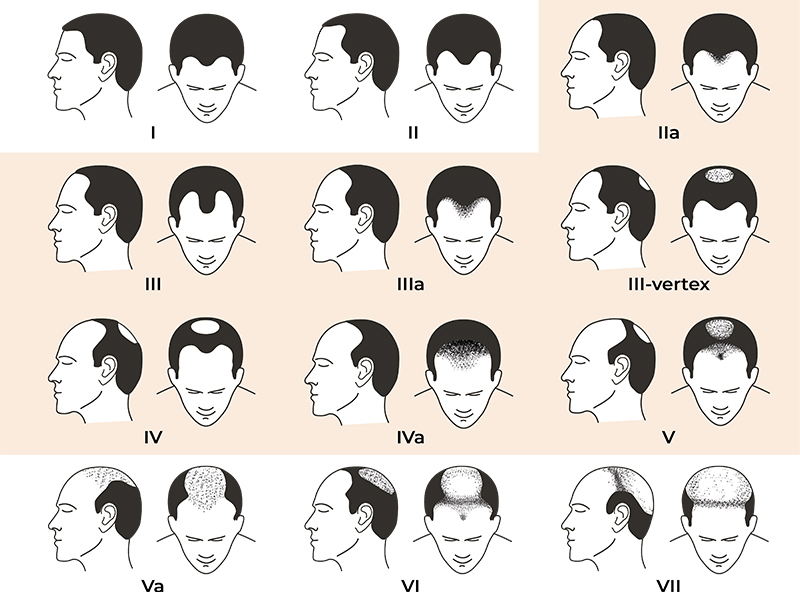
The Norwood scale is the standard classification system used to assess the progression of male pattern hair loss. It ranges from Stage 1, where there is little or no significant recession, to Stage 7, where extensive baldness has developed. For trichologists, understanding the Norwood scale provides a useful starting point for assessing hair loss, identifying […]
What Is the Best Age for a Hair Transplant? A Trichologist’s Guide

The best age for a hair transplant depends on the pattern of hair loss, the health of the donor area and whether hair loss has become stable enough for long term planning. Although many people begin considering surgery in their mid twenties or later, there is no single ideal age for everyone. From a trichological […]
A Trichologist’s Guide to Understanding and Treating Hair Loss

Understanding hair loss starts with understanding why it is happening. A trichologist looks beyond the visible signs of thinning or shedding to assess the scalp, hair growth cycle, medical history and possible underlying causes. Depending on the diagnosis, treatment may include topical or oral medication, nutritional support, platelet rich plasma therapy, scalp micropigmentation or hair […]
Understanding Hair Follicles: The Trichology Behind Hair Transplantation

Hair transplantation is based on an understanding of how hair follicles grow, why some follicles are more resistant to hair loss and how healthy follicles can be relocated to areas where hair has been lost. Rather than simply replacing missing hair, transplantation works with the biology of the individual follicle to create lasting growth. Understanding […]
Hair Loss in Women: When Is a Hair Transplant Appropriate?
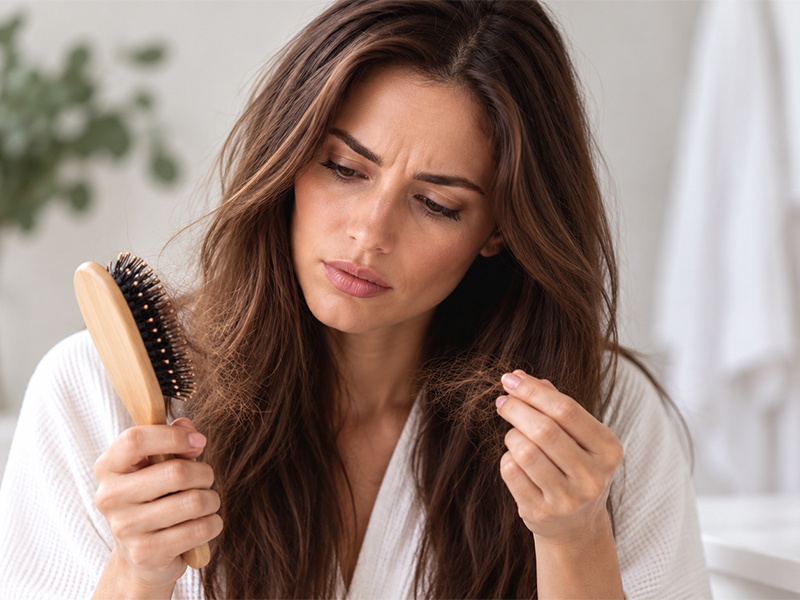
Hair loss in women can have many different causes, from female pattern hair loss and hormonal changes to nutritional deficiencies, stress and traction. While a hair transplant can provide a permanent solution for some women, it is not appropriate for every type of hair loss. Understanding the underlying cause is an essential first step. A […]
How Trichologists Assess the Cause of Hair Loss: A Guide to Hair Loss Diagnosis

Hair loss can have many different causes, and identifying the reason for shedding is an important first step towards managing it effectively. Trichologists assess hair loss by looking at the pattern, timing and severity of shedding, examining the scalp and hair follicles, reviewing medical and lifestyle factors, and considering whether further investigations are needed. Understanding […]
PRP for Hair Loss: A Trichology Focused Guide to Platelet Rich Plasma Therapy

PRP for hair loss can be an effective treatment for some forms of hair thinning, particularly when hair follicles remain active but have become progressively weaker or miniaturised. Platelet Rich Plasma therapy uses components of the patient’s own blood to deliver a concentrated source of biological growth factors to the scalp. From a trichology perspective, […]
A Trichology Led Approach to Hair Loss: Assessment, Diagnosis and Non Surgical Management

Several non surgical approaches may help manage hair loss, reduce shedding and support hair growth, including platelet rich plasma therapy, low level laser therapy, topical treatments and targeted nutritional interventions. However, effective management begins with understanding why the hair loss is happening. No treatment is appropriate for every condition, which is why a trichology led […]
The Role of Trichology in PRP Hair Treatment
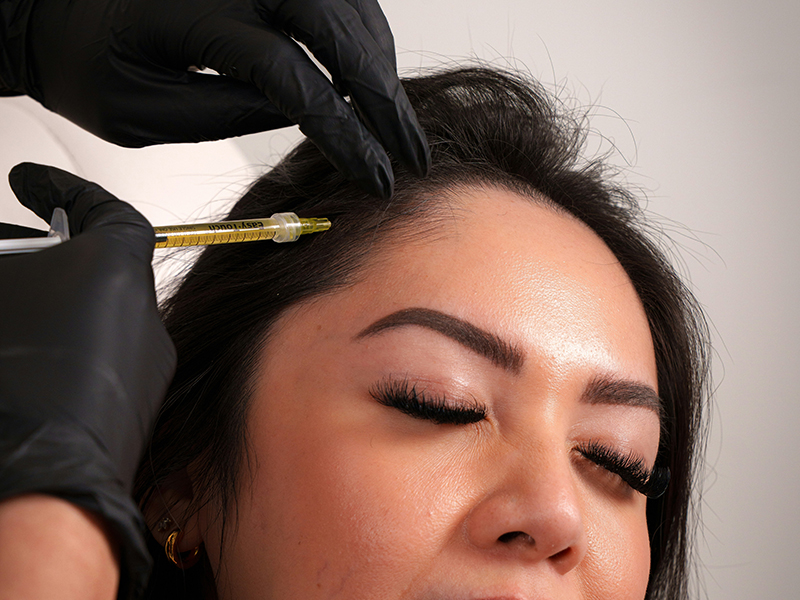
PRP hair treatment is a non surgical procedure that uses concentrated platelets from your own blood to support hair follicle activity and encourage healthier hair growth. However, understanding whether PRP is appropriate for a particular person requires more than simply understanding the treatment itself. This is where trichology plays an important role. Trichology is the […]


